
Architectural Glass Solutions: How Modern Glass is Transforming Design in 2025
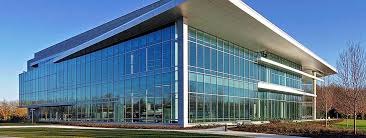
Modern architectural glass has moved far beyond simple windows and doors—it’s now an integral design element that merges aesthetics, sustainability, and advanced engineering. In 2025, glass is not only a visual connector between indoor and outdoor spaces but also a high-performance material that supports energy efficiency, safety, and innovative architecture.
Key Trends in Modern Architectural Glass (2025)
1. Smart Glass for Adaptive Environments
Electrochromic and photochromic glass that changes tint based on sunlight or user controls.
Enhances comfort, reduces glare, and improves energy savings by minimizing reliance on artificial lighting and air conditioning.
2. Energy-Efficient Glass Solutions
Triple-glazed, low-E coatings, and vacuum-insulated glass for optimal thermal performance.
Helps architects meet green building certifications like LEED and WELL.
3. Laminated Safety Glass
Designed to resist impacts, prevent shattering, and enhance security.
Widely used in high-rise facades, glass floors, and skylights.
4. Acoustic Glass for Noise Reduction
Multi-layer glass with sound-dampening interlayers for urban and commercial spaces.
Perfect for offices, hotels, and residential buildings in busy city centers.
5. Curved and Structural Glass
Allows for seamless, futuristic designs without visible frames.
Used in museums, luxury storefronts, and modern stadiums.
Applications in Modern Architecture
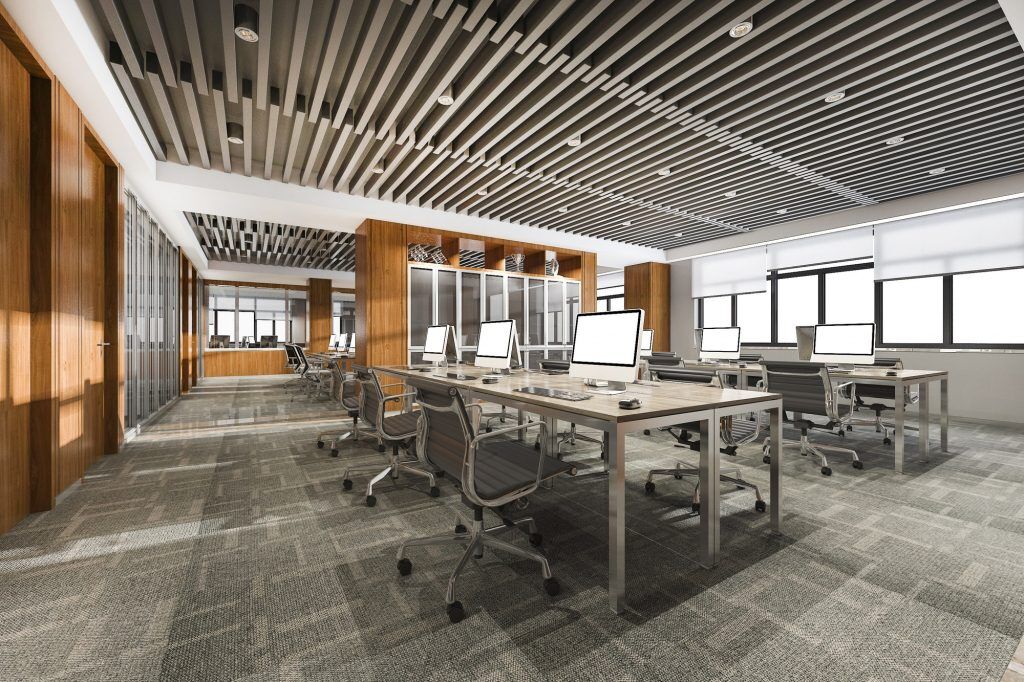
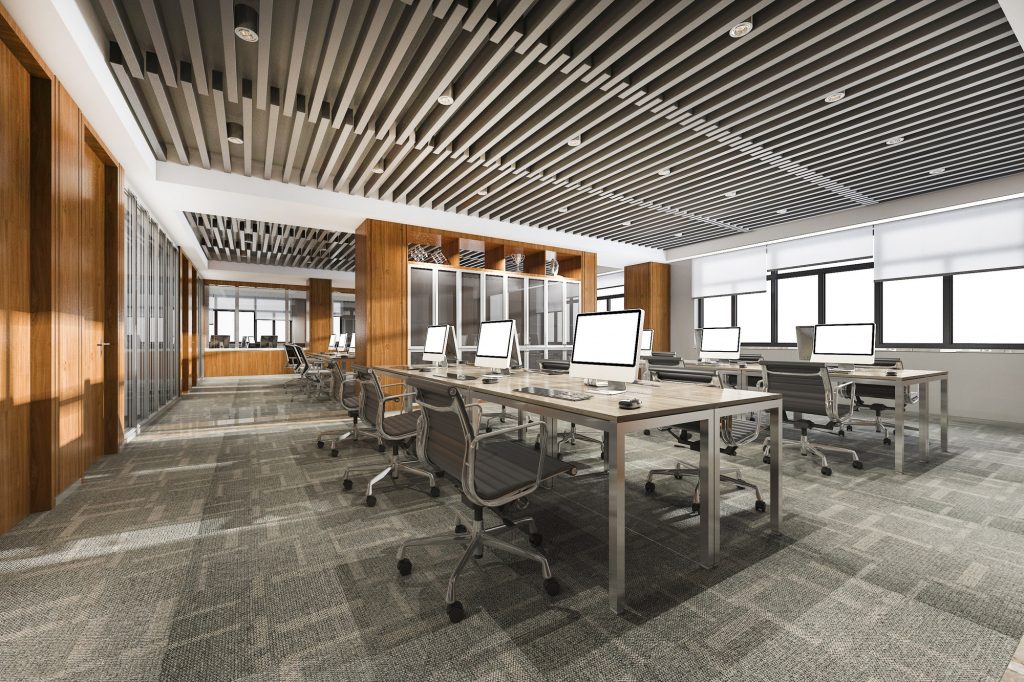
Commercial Buildings – Large glass facades to create open, transparent work environments.
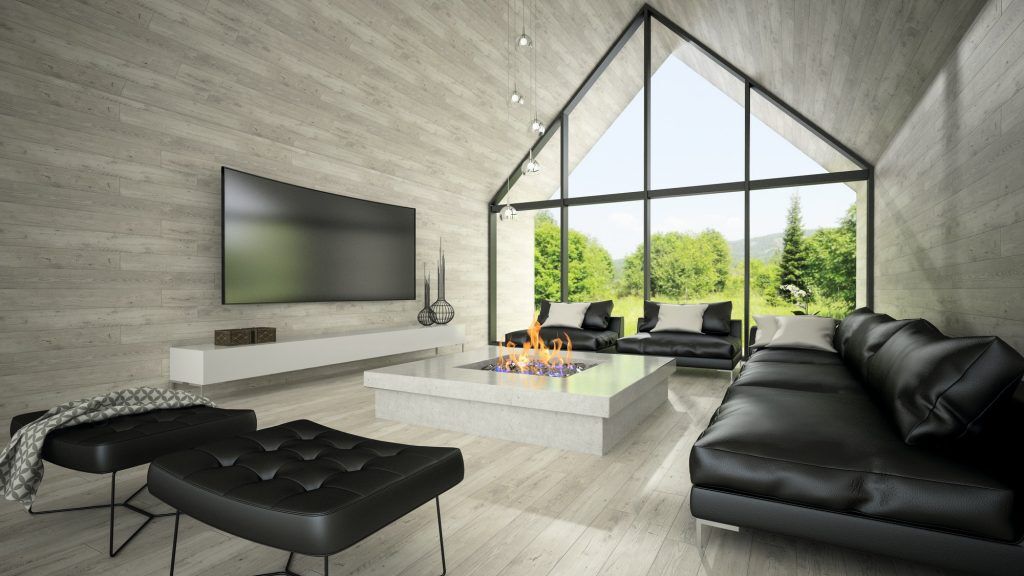
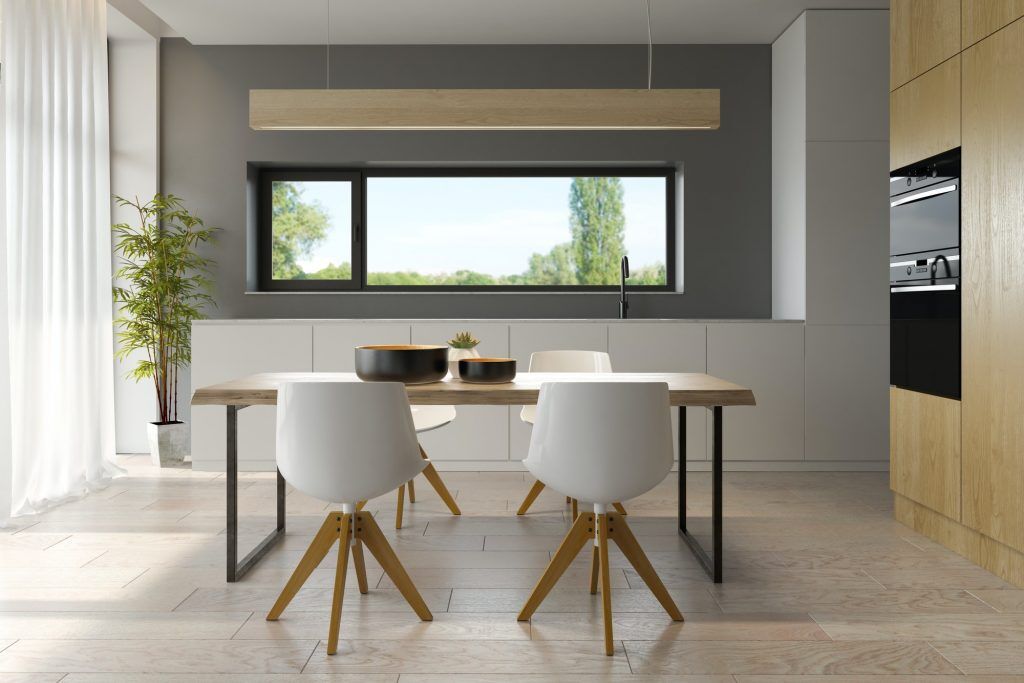
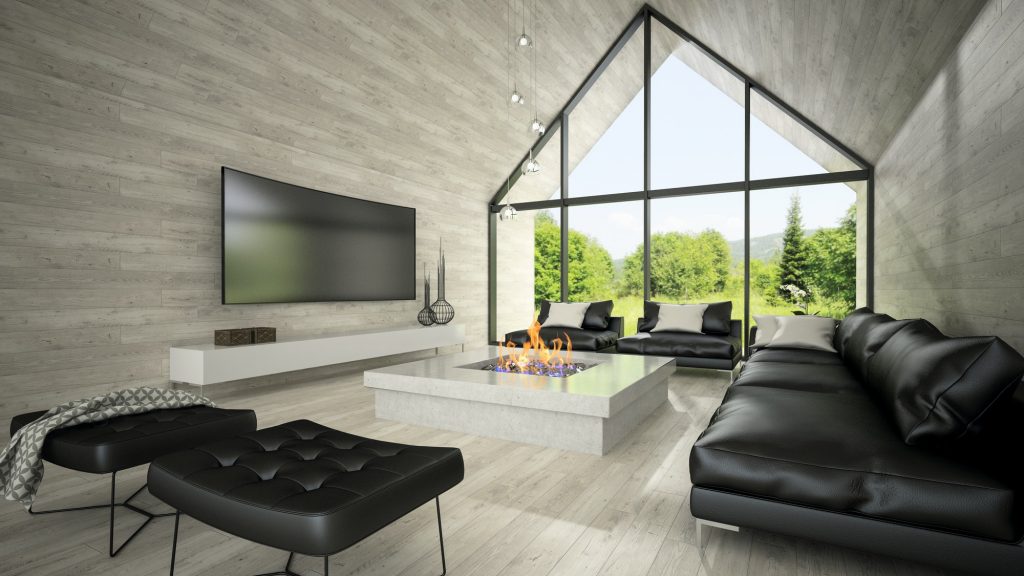
Residential Homes – Sliding glass walls, skylights, and floor-to-ceiling windows.
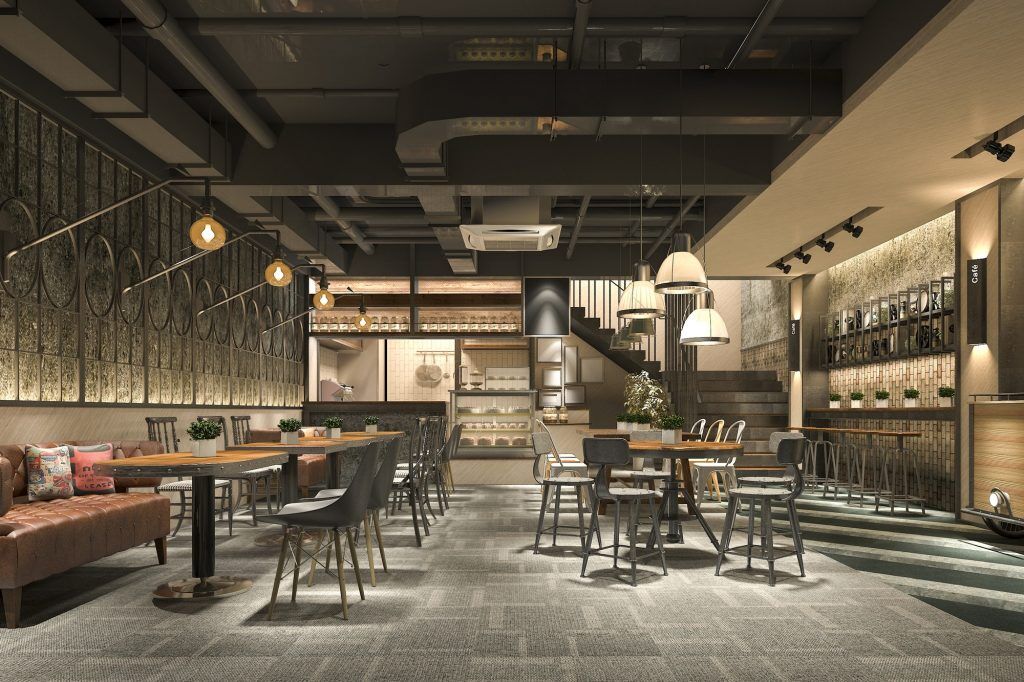
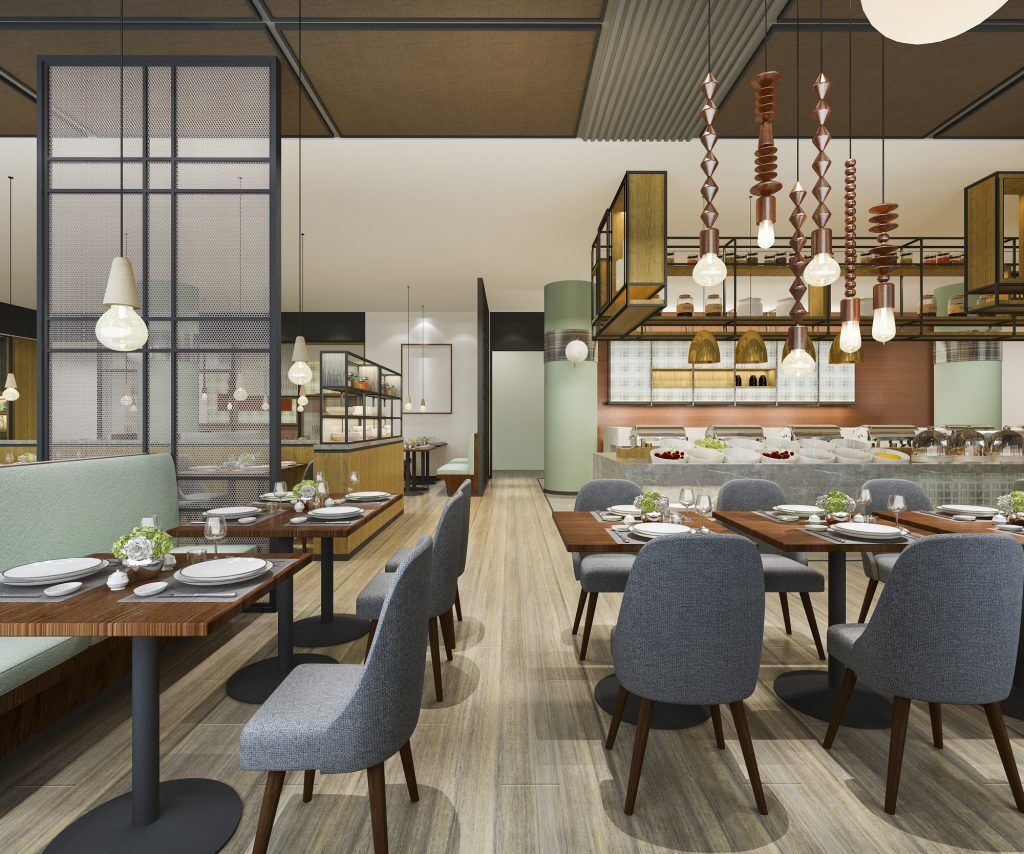
Retail & Hospitality – Immersive storefronts and lobby designs.
Public Infrastructure – Noise barriers, bus shelters, and modern transit stations.
FAQs – Architectural Glass Solutions (2025)
Q1. What is the most energy-efficient type of architectural glass in 2025?
Low-E triple-glazed glass and vacuum-insulated panels are leading choices for maximum thermal performance.
Q2. Can smart glass be used in both residential and commercial buildings?
Yes, it’s increasingly popular in both sectors due to its ability to control light, heat, and privacy.
Q3. How long does modern architectural glass last?
With proper installation and maintenance, high-quality glass can last 30–50 years without losing performance.
Q4. Is curved glass more expensive than standard glass?
Yes, due to the specialized manufacturing process, but it adds significant aesthetic value.
Q5. Does laminated glass block UV rays?
Yes, most laminated glass blocks up to 99% of harmful UV radiation, protecting interiors from fading.
Conclusion
Architectural glass in 2025 is reshaping how we think about buildings—merging beauty, performance, and sustainability into one material. With innovations in smart technology, energy efficiency, and structural flexibility, glass is no longer just a building element—it’s a design revolution. Whether for residential, commercial, or public spaces, modern glass solutions are enabling architects to create structures that are safer, greener, and more inspiring than ever before.
Modern architectural glass has moved far beyond simple windows and doors—it’s now an integral design element that merges aesthetics, sustainability, and advanced engineering. In 2025, glass is not only a visual connector between indoor and outdoor spaces but also a high-performance material that supports energy efficiency, safety, and innovative architecture.
Key Trends in Modern Architectural Glass (2025)
1. Smart Glass for Adaptive Environments
Electrochromic and photochromic glass that changes tint based on sunlight or user controls.
Enhances comfort, reduces glare, and improves energy savings by minimizing reliance on artificial lighting and air conditioning.
2. Energy-Efficient Glass Solutions
Triple-glazed, low-E coatings, and vacuum-insulated glass for optimal thermal performance.
Helps architects meet green building certifications like LEED and WELL.
3. Laminated Safety Glass
Designed to resist impacts, prevent shattering, and enhance security.
Widely used in high-rise facades, glass floors, and skylights.
4. Acoustic Glass for Noise Reduction
Multi-layer glass with sound-dampening interlayers for urban and commercial spaces.
Perfect for offices, hotels, and residential buildings in busy city centers.
5. Curved and Structural Glass
Allows for seamless, futuristic designs without visible frames.
Used in museums, luxury storefronts, and modern stadiums.
Applications in Modern Architecture
Commercial Buildings – Large glass facades to create open, transparent work environments.
Residential Homes – Sliding glass walls, skylights, and floor-to-ceiling windows.
Retail & Hospitality – Immersive storefronts and lobby designs.
Public Infrastructure – Noise barriers, bus shelters, and modern transit stations.
FAQs – Architectural Glass Solutions (2025)
Q1. What is the most energy-efficient type of architectural glass in 2025?
Low-E triple-glazed glass and vacuum-insulated panels are leading choices for maximum thermal performance.
Q2. Can smart glass be used in both residential and commercial buildings?
Yes, it’s increasingly popular in both sectors due to its ability to control light, heat, and privacy.
Q3. How long does modern architectural glass last?
With proper installation and maintenance, high-quality glass can last 30–50 years without losing performance.
Q4. Is curved glass more expensive than standard glass?
Yes, due to the specialized manufacturing process, but it adds significant aesthetic value.
Q5. Does laminated glass block UV rays?
Yes, most laminated glass blocks up to 99% of harmful UV radiation, protecting interiors from fading.
Conclusion
Architectural glass in 2025 is reshaping how we think about buildings—merging beauty, performance, and sustainability into one material. With innovations in smart technology, energy efficiency, and structural flexibility, glass is no longer just a building element—it’s a design revolution. Whether for residential, commercial, or public spaces, modern glass solutions are enabling architects to create structures that are safer, greener, and more inspiring than ever before.